







Search Results for: YASUKIYO wooden dripper
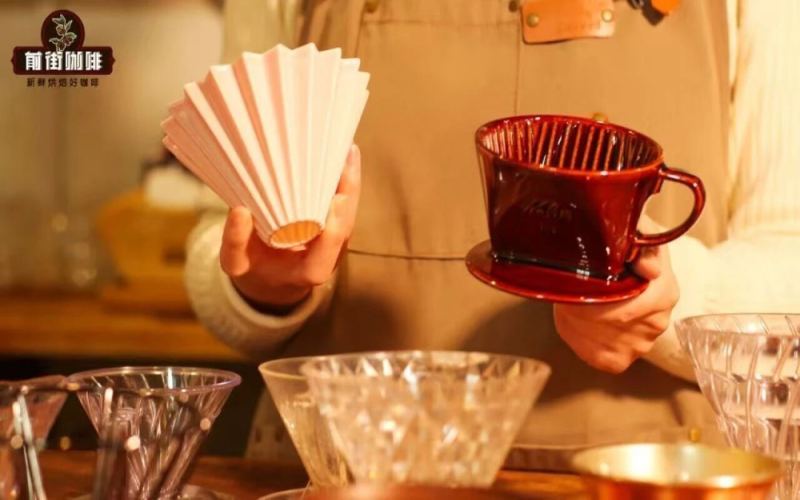
V60 vs YASUKIYO Wooden Dripper Pour-Over Comparison: A Flavor Difference Experiment Using the Same Beans and Method
The shape, drainage holes, and rib design of different drippers directly affect water flow rate and degassing, which in turn lets the same coffee bean present completely different flavor directions. In this session, Front Street Coffee conducted a comparative brew using the V60 and the YASUKIYO wooden dripper, with completely identical parameters and technique, keeping the process as rigorous as possible from blooming to pouring rhythm, aiming to observe the actual impact of the two drippers on extraction results. The experimental bean was Front Street 2013 Yunnan small-batch Typica. By comparing brew time and cupping flavors, we explore which types of coffee suit the flushing characteristics of the V60 and the horizontal rib structure of the YASUKIYO, and offer corresponding Front Street bean pairing suggestions. [more…]
Comparative Experiment: V60 vs. YASUKIYO Wooden Dripper — Extraction Differences and Pairing Suggestions for the Same Yunnan Coffee Beans
Different drippers, due to differences in shape, hole size, and groove design, directly affect water flow rate and degassing, causing the same coffee beans to present entirely different flavor expressions. For this test, Front Street chose the V60 and the YASUKIYO wooden dripper, using the same brewing method and parameters to conduct a comparative test on Front Street 2013 Yunnan Small-Bean Typica, keeping water temperature, grind size, and pouring method as consistent as possible, to observe the differences between the two drippers in aroma, mouthfeel, and extraction efficiency. The article will separately analyze the structural characteristics of the two drippers and give recommendations for Front Street coffee beans that pair well with each, helping coffee lovers choose equipment more purposefully in their daily brewing. [more…]
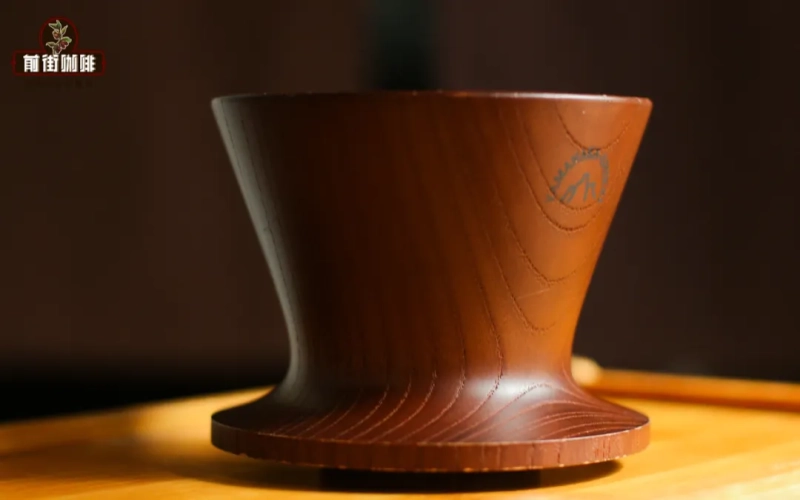
Analyzing the Differences Between the Anqing-style Wooden Dripper and the V60: Does Wood Flavor Affect Coffee? Key Brewing Points for Dark Roasted Beans
Today Front Street is going to talk about a rather niche pour-over device—the Anki-style dripper. It comes from the well-known Yamanaka lacquerware woodworking factory in the Kaga region of Japan and is made entirely of wood, which stands in sharp contrast to the ceramic, resin, glass, or metal drippers commonly seen on the market. Will coffee brewed with a wooden dripper take on a woody aroma? How does it differ from the V60 in use? How should dark-roasted coffee beans be brewed with this dripper? This article will start from Front Street's actual experience and answer these questions one by one, while also sharing the details to note when maintaining this dripper, as well as its slightly imperfect but harmless handmade traces. [more…]
Why Is Jamaican Blue Mountain Coffee Packed in Wooden Barrels? Understanding Blue Mountain No. 1's Grade Standards and Brewing Essentials
Blue Mountain coffee has long been regarded as the benchmark of specialty coffee, and its uniqueness lies not only in its flavor profile but also in its packaging methods and grading system. This article will focus on Jamaican Blue Mountain coffee, explaining why it has long insisted on using wooden barrels for export shipment, sorting out how the washed Typica variety, microclimate, and strict grading system together create Blue Mountain coffee's quality status, and offering a key interpretation of the evaluation standards and specification requirements for the "Blue Mountain No. 1" grade. At the same time, the article will also share Front Street Coffee's specific approach and parameters for roasting and brewing Blue Mountain No. 1, including the extraction principles of the KONO dripper, the coffee-to-water ratio, water temperature, and staged pouring technique, helping readers gain a more comprehensive understanding of this coffee's complete journey from origin to cup. [more…]
Why Jamaican Blue Mountain Coffee Is Packaged in Wooden Barrels: An In-Depth Analysis from Historical Origins to Quality Assurance
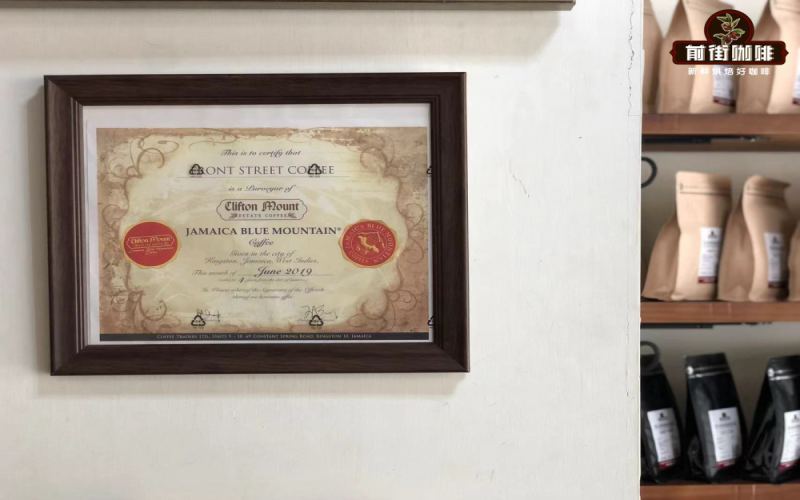
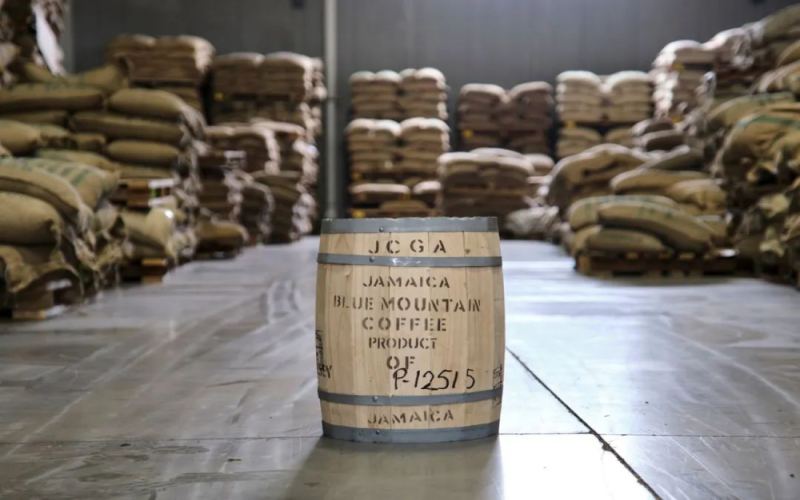
Green coffee beans are usually transported in burlap sacks, but Jamaican Blue Mountain coffee has always been shipped in wooden barrels. This unique tradition has both historical roots and implications for quality assurance. Front Street Coffee will provide a comprehensive explanation of what makes Blue Mountain coffee unique, covering the origins of barrel packaging, the characteristics of the wood, the Rainforest Alliance certification mark, and Blue Mountain coffee's certificate system, estate background, processing methods, and varietal characteristics. At the same time, Front Street Coffee will also share the brewing parameters and flavor profiles of two Blue Mountain No. 1 coffees—one washed and one natural—to give you an in-depth look at every detail of this top-tier coffee. [more…]
Why is Jamaican Blue Mountain Coffee shipped exclusively in wooden barrels? A full analysis of Clifton Estate and Front Street Blue Mountain No. 1
Blue Mountain coffee is widely recognized as one of the coffees grown under the finest conditions in the world, with Jamaica's unique climate, geology, and topography combining to create its exceptional quality. Why is Blue Mountain coffee, alone among all green coffees, shipped in wooden barrels? There are both historical origins and practical considerations behind this. This article will guide you through the terroir of Blue Mountain coffee's origin, the historical shifts in Japan's quota, the management system of the Jamaica Coffee Board, and the Clifton Farm Blue Mountain No. 1 coffee beans imported by Front Street Coffee—presenting this classic coffee in full, from processing method and roasting curve to brewing recommendations. [more…]
Flavor characteristics, authenticity identification methods, and pour-over parameters of Jamaican Blue Mountain coffee beans
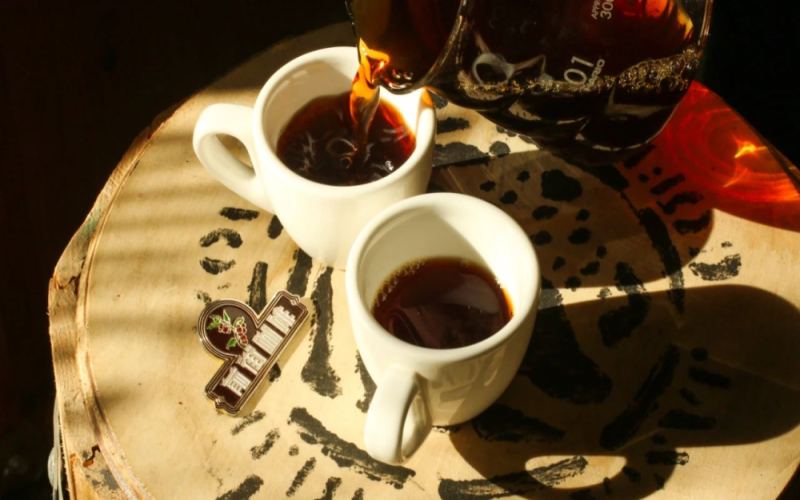
Blue Mountain coffee is renowned for its balanced profile of sweetness, acidity, and bitterness, with a rich, mellow body, almost no bitterness, and only a slight tang. It is grown in Jamaica's Blue Mountain range at elevations between 910 and 1,700 meters, and the variety is Typica. Thanks to volcanic soil, a humid and foggy climate, and the large day-night temperature difference at high altitude, it develops a clean, subtly fragrant character. To buy authentic Blue Mountain coffee, look for the Jamaican government export certificate and wooden barrel packaging; coffee grown below 910 meters can only be called Jamaica High Mountain coffee or Jamaica Prime coffee. Front Street Coffee recommends brewing it by pour-over, and shares a specific extraction plan using a KONO dripper, 88 to 89 degrees Celsius, and a medium-coarse grind. [more…]
A Complete Guide to Jamaican Blue Mountain Coffee Beans: Regional Characteristics, Grading, Pricing Factors, and Pour-Over Parameters
What exactly is Blue Mountain coffee? Why do some cafés sell it at a less-than-exorbitant price, while others charge an outrageous fortune? This article systematically sorts out the core knowledge of Jamaican Blue Mountain coffee beans, from the definition of the origin, grading classifications, and variety characteristics to the historical causes of its price and brewing parameters. It also explains how to identify authentic Blue Mountain through wooden barrel packaging and export certificates, introduces the differences between the washed and natural versions from Clifton Estate, and shares Front Street Coffee's medium-dark roast recommendations and Kono dripper brewing method, helping coffee enthusiasts build a complete understanding of Blue Mountain coffee. [more…]
A Detailed Explanation of Jamaican Blue Mountain Coffee Grading: Why Blue Mountain No. 1 Insists on Wooden Barrel Packaging
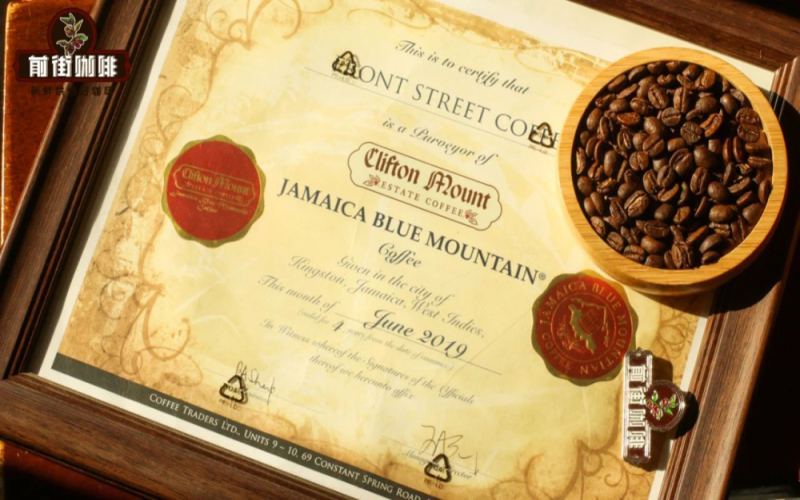
Jamaican Blue Mountain coffee has long been known as the king of coffee, and the top-grade Blue Mountain No. 1 in particular has repeatedly sold for high prices. Even though Geisha is currently at the height of its popularity, Blue Mountain still stands firm by virtue of its own unique quality. Many people assume that as long as beans are grown in the Blue Mountains, they count as Blue Mountain coffee, but in fact the Jamaica Coffee Industry Board (CIB) has strict rules: only beans from designated core-producing areas within a specific altitude range may bear the name Blue Mountain. Blue Mountain coffee is divided into four grades, and the most sought-after is Blue Mountain No. 1. Its packaging is distinctive as well, still using wooden barrels to this day, which reflects both quality considerations and a statement of status. This article will cover the definition of Blue Mountain coffee's place of origin, its grade classification, its wooden barrel packaging, Clifton Mount Estate, and the flavor and brewing of Blue Mountain No. 1. [more…]
Why Is Jamaican Blue Mountain Coffee So Expensive? What's Behind Cheap "Blue Mountain Flavor" Coffee?
Jamaican Blue Mountain coffee is hailed as one of the most renowned rare coffees in the world, known for its balanced acidity, sweetness, and bitterness along with a smooth, full-bodied mouthfeel. However, the market is flooded with low-priced products labeled "Blue Mountain flavor"—just how do they differ from authentic Blue Mountain coffee? This article, from the professional perspective of Front Street Coffee, systematically sorts through the growing conditions and certification systems of Blue Mountain coffee, and shares eight practical methods for identifying authenticity, covering dimensions such as taste, certification, origin, packaging, grade, appearance, grind, and aroma. It also introduces the Rainforest Alliance-certified estate background of Front Street Blue Mountain No. 1, its washed processing flow, and suggested brewing parameters for the Kono dripper, helping coffee enthusiasts gain a comprehensive understanding of this legendary coffee. [more…]
The Rare Code of Jamaican Blue Mountain Coffee: A Complete Analysis from Barrel Packaging to Flavor Tasting
Jamaican Blue Mountain coffee is world-famous for its high price and scarce production, but do you know why it uniquely uses wooden barrels to store green beans? From the restricted growing region at 1,000-1,700 meters above sea level to the strict government certification system, every step of Blue Mountain coffee is full of legend. This article will provide an in-depth analysis of the authentic origin standards of Blue Mountain coffee, the historical origins and practical value of its barrel packaging, and show you how Front Street Coffee, through careful roasting and brewing, presents the clean and bright flavor of washed Blue Mountain, as well as the unique charm of the emerging Geisha variety in the Blue Mountain region. Whether you are a seasoned enthusiast or a coffee lover just starting out, you can gain practical knowledge from it to distinguish authenticity and appreciate the flavor. [more…]
Jamaica Blue Mountain No. 1 Pour-Over Techniques and Authenticity Identification: A Complete Guide from Regional Grading to Clifton Estate
Blue Mountain coffee is hailed as the king of coffee, but it is hard to tell genuine from fake on the market. Starting from Front Street Coffee's Blue Mountain No. 1 coffee beans, this article provides a detailed introduction to the growing conditions of Jamaica Blue Mountain, the history and certifications of Clifton Estate, the CIB grading system, and the differences between washed and natural processing methods. It also shares how to identify authentic Blue Mountain coffee through export channels, wooden barrel packaging, and the Rainforest Alliance certification mark. Finally, it gives specific pour-over parameters and a three-stage pouring plan to help coffee lovers brew Blue Mountain coffee's balanced and mellow flavor at home. [more…]
An Analysis of Jamaican Blue Mountain Coffee Flavor Characteristics: Grades, Prices, and Pour-Over Techniques of Authentic Blue Mountain No. 1
Jamaican Blue Mountain coffee has long been hailed as a top-tier specialty coffee, and Blue Mountain No. 1 is the highest grade among them. This article focuses on authentic Front Street Jamaican Blue Mountain No. 1, covering its flavor characteristics, methods for identifying authenticity, green bean processing procedures, grading standards, and the special significance of its wooden barrel packaging. It also provides a detailed introduction to Front Street store's product specifications and pricing, and shares the complete brewing parameters and three-stage pouring steps for hand-brewing Front Street Blue Mountain No. 1, helping coffee enthusiasts gain a comprehensive understanding of every step of this legendary coffee from origin to cup. [more…]
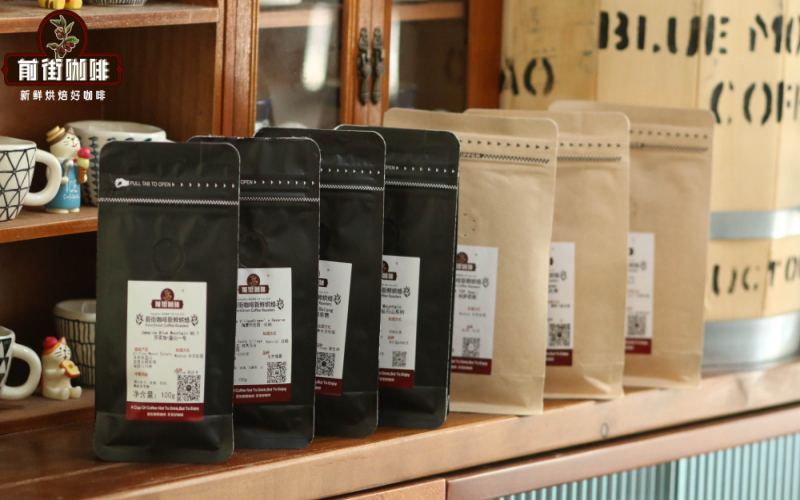
The Complete Guide to Authentic Jamaican Blue Mountain Coffee Bean Market Prices, Purchasing Key Points, and Front Street Coffee Pour-Over Parameters
Blue Mountain coffee was once an unattainable top-tier beverage, but today enjoying its authentic flavor is no longer difficult. At Front Street Coffee locations, you can savor a cup for just 60 yuan, and Blue Mountain No. 1 coffee beans are priced at 158 yuan per 100 grams. This article focuses on authentic Blue Mountain coffee, first introducing its unique growing environment and the strict management system of the Jamaica Coffee Industry Board, then outlining the grading standards from Blue Mountain No. 1 to Blue Mountain Peaberry, and explaining the historical origins of Japan's long-term priority purchasing of Blue Mountain coffee. Next, in response to the proliferation of genuine and fake products on the market, it summarizes methods for identifying authentic products, including price judgment, aroma characteristics, and certificate and barrel verification. Finally, Front Street Coffee shares a pour-over extraction plan for Blue Mountain No. 1, from dripper selection, grind size, and water temperature to the three-stage pouring steps, helping readers fully reproduce the classic Blue Mountain flavor. [more…]
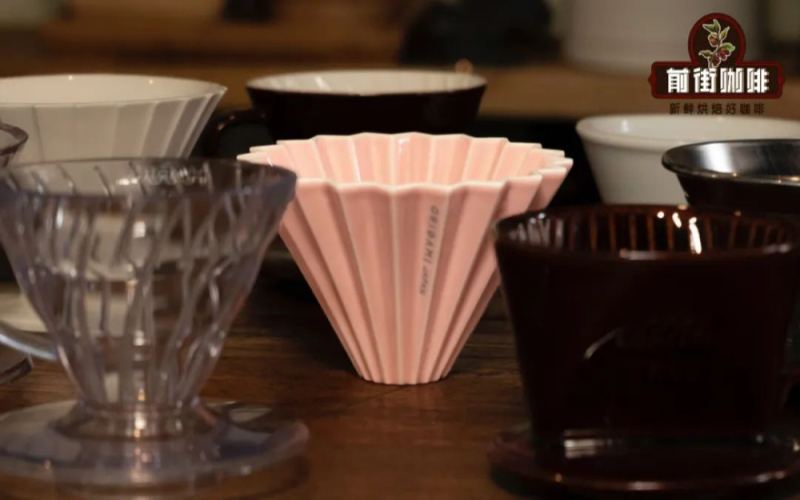
A Complete Analysis of the Flavor Differences and Pros and Cons of the Origami Dripper with Different Filter Papers
With its distinctive angular shape, the Origami dripper is highly recognizable among the many coffee drippers out there, and it can be seen in both coffee shops and world-class competitions. Designed by Yasuo Suzuki, this dripper's standout feature is that it can be paired with two different types of filter paper—conical and cake—and switching the paper directly affects the extraction rhythm and the final flavor direction. This article will start from the design origins of the dripper, combine a hands-on tasting with Geisha beans, compare the mouthfeel differences brought by the two types of filter paper, and objectively analyze the Origami dripper's strengths in terms of versatility as well as points to note when choosing a dripper stand. It also includes Front Street Coffee's store information, offering coffee enthusiasts a complete reference. [more…]
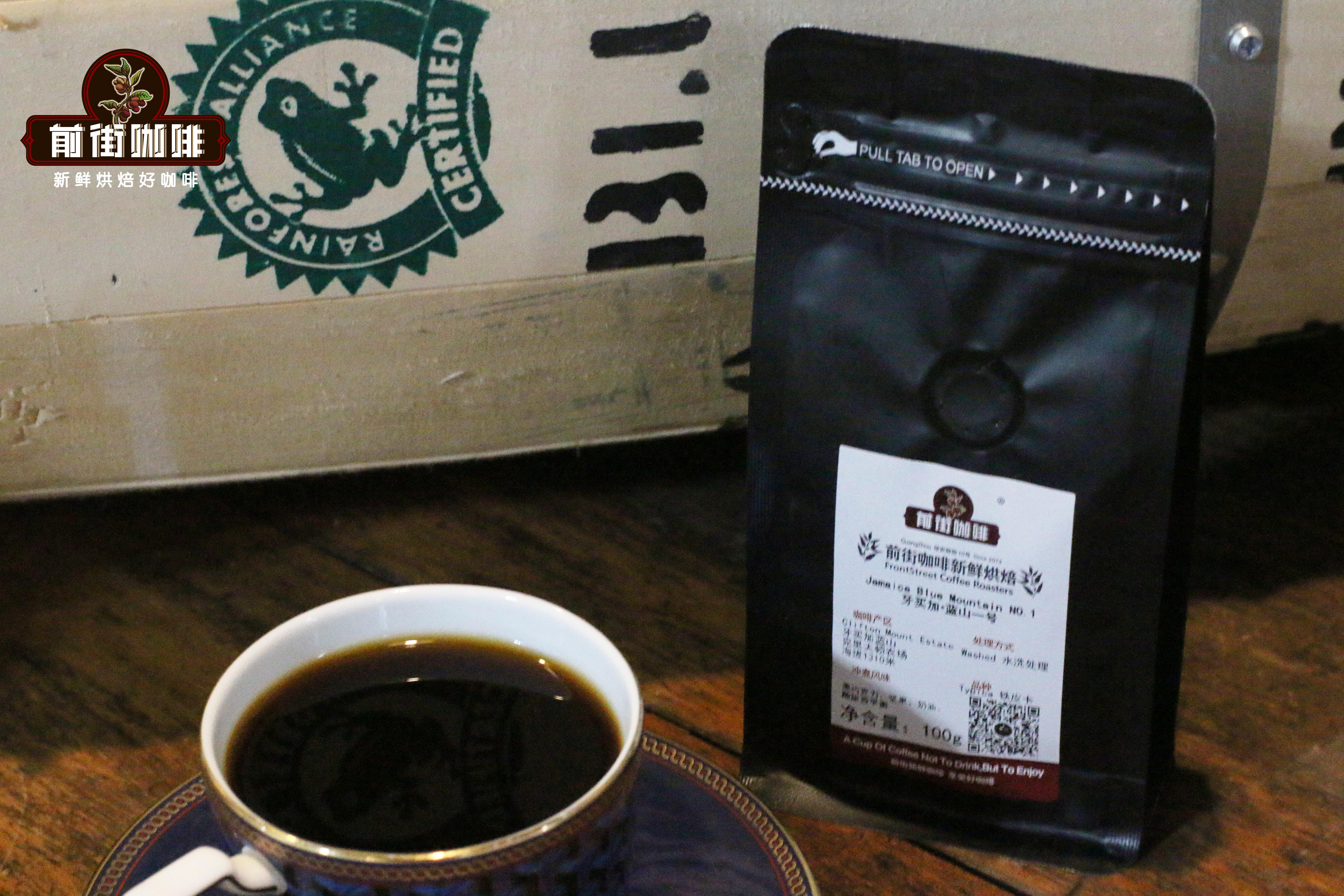
How to Identify Authentic Blue Mountain No. 1 Coffee Beans? A Comprehensive Analysis from Barrel Certificates to Bean Appearance and Flavor
Blue Mountain coffee is produced in the Blue Mountains of Jamaica at elevations between 910 and 1,700 meters. The variety is Typica, and it is known for its balanced acidity, sweetness, and bitterness, full and solid body, long-lasting sweet aftertaste, and absence of burnt bitterness. Because annual production is limited, authentic Blue Mountain No. 1 coffee beans in China usually sell for 150 to 400 yuan (100 to 200 grams), while products labeled "Blue Mountain flavor" or "Blue Mountain blend" are not true Blue Mountain coffee. This article systematically introduces the methods baristas use to identify authentic Blue Mountain No. 1 from perspectives such as the wooden barrel and certificate, bean size and uniformity, appearance characteristics, and raw bean color. It also compares the flavor performance of washed and natural processing methods and shares Front Street Coffee's brewing parameters and techniques to help enthusiasts build a clear identification framework. [more…]
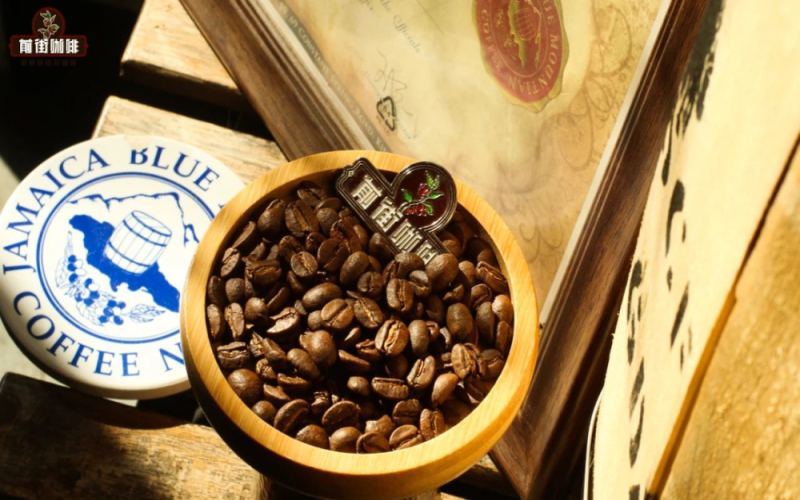
How to Identify Authentic Jamaican Blue Mountain Coffee? A Practical Guide from Barrel Certification to Green Bean Appearance
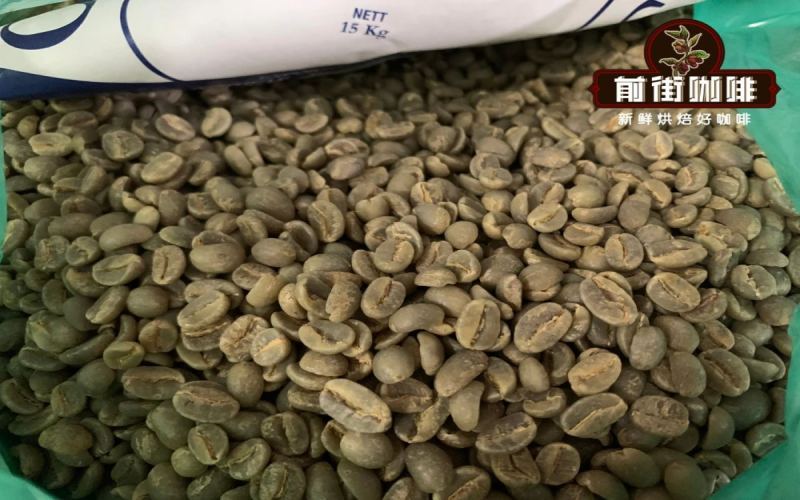
Blue Mountain coffee comes from the Blue Mountains of Jamaica, grown at elevations between 910 and 1,700 meters. The variety is Typica, and it is famous for its balanced acidity, sweetness, and bitterness, its full, rich body, and its long, lingering finish without any burnt or bitter notes. Because annual production is limited, Blue Mountain No. 1 coffee beans typically sell for 150 to 400 yuan per 100 to 200 grams on the domestic market. Many products are marketed under the label "Blue Mountain flavor" or "Blue Mountain blend" but are not authentic Blue Mountain coffee. Therefore, it is essential to know how to tell real Blue Mountain coffee from fake. This article starts with Front Street Coffee's Jamaican Blue Mountain coffee and explains how to identify it by examining the wooden barrel and certificate, the overall bean size and uniformity of quality, the bean shape, and the color of the green beans, and also includes brewing parameters and a flavor comparison for the washed and natural processing methods. [more…]
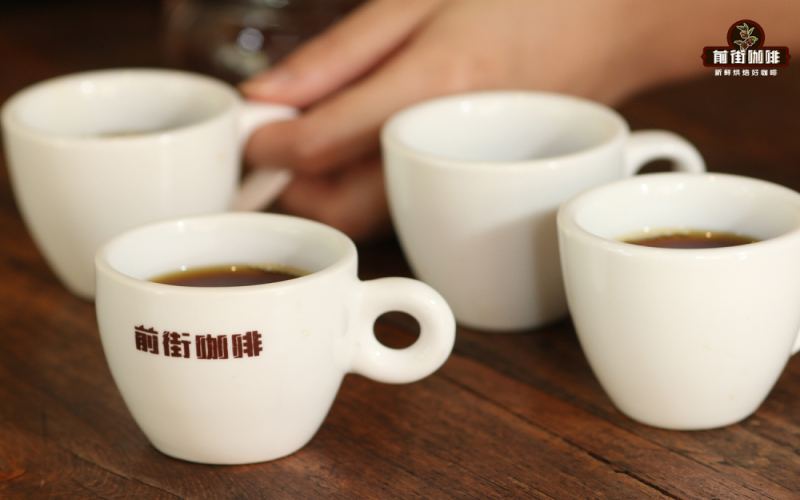
How Do You Choose a Jamaican Blue Mountain Coffee Brand? A Full Analysis of Front Street Blue Mountain Beans' Pour-Over Parameters, Flavor Profile, and Processing Method
Blue Mountain coffee is hailed as the "beauty of the coffee world," but not every product labeled Blue Mountain is authentic Jamaican Blue Mountain. True Blue Mountain coffee comes from the Blue Mountains of eastern Jamaica, at elevations of 1,000 to 1,700 meters, and is known for its Typica variety, washed processing method, and rich, balanced flavor. Front Street Coffee offers Blue Mountain No. 1 coffee beans with a Jamaican Coffee Board certificate, Rainforest Alliance certification, and wooden barrel packaging, covering both washed and natural processing methods. This article will systematically analyze the flavor characteristics and brewing suggestions of Front Street Blue Mountain coffee, from the growing environment, variety traits, and processing methods to Kono dripper brewing parameters, helping coffee enthusiasts gain a comprehensive understanding of this specialty coffee. [more…]
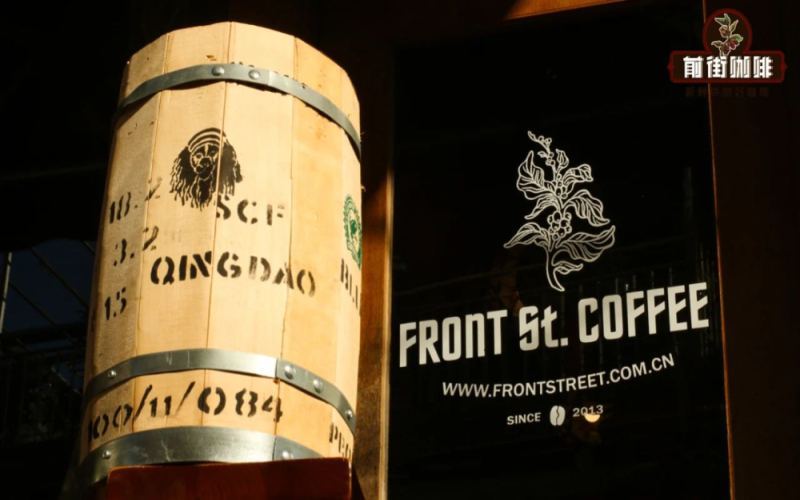
Which country does Jamaican Blue Mountain coffee come from? A full analysis of growing conditions, flavor characteristics, and authenticity identification
Blue Mountain coffee is one of the finest representatives of high-quality coffee. It is produced in Jamaica's Blue Mountains, where a cool and misty climate, fertile volcanic soil, and the Typica variety combine to create a classic flavor profile with balanced acidity, sweetness, and bitterness, and a clean, mellow character. Front Street Coffee sells washed Blue Mountain coffee beans grown at 1310m on Clifton Estate; after medium-dark roasting, they present rich dark cocoa, subtle fruity acidity, and a pronounced sweet aftertaste. Why is Blue Mountain coffee so expensive? Japan's long-term investment and preferential purchasing rights, the impact of hurricanes, labor costs, and the difficulty of mechanizing terraced fields are all important reasons. Jamaica also insists on packaging and transporting the coffee in wooden barrels of 15, 30, and 70 kilograms, and it must obtain a quality certification certificate from the Coffee Industry Board. Front Street Coffee also shares methods for identifying authentic Blue Mountain coffee: look for whole wooden barrels, apply for certification documents, and observe whether the roasted beans are uniform and plump. This article also compiles brewing suggestions and extraction parameters for Blue Mountain coffee to help coffee lovers recreate the classic Blue Mountain flavor. [more…]
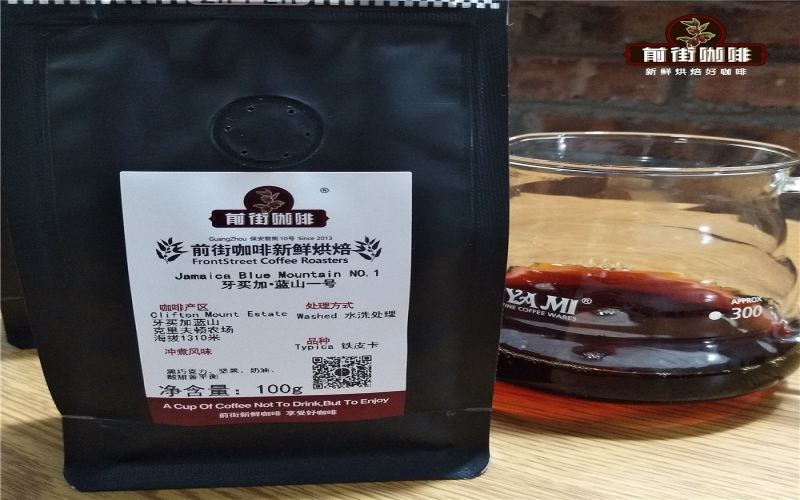
Jamaican Blue Mountain Coffee JABLUM Grade and Flavor Analysis: Authentic Certification Standards and Front Street Blue Mountain No.1 Pour-Over Parameters
Blue Mountain coffee is hailed as the pinnacle of coffee, renowned for its rich smoothness, balanced acidity, bitterness, and sweetness, and its long-lasting aftertaste. In an era before specialty coffee became widespread, its status was akin to Rolls-Royce in the automotive world or Rolex in watches, with rampant counterfeits and high prices. Nowadays, enjoying authentic Blue Mountain is no longer difficult—Front Street can provide Jamaica's highest-grade Blue Mountain No. 1 coffee beans. This article focuses on the grading standards for Blue Mountain coffee, the CIB certification system, the tradition of wooden barrel packaging, Front Street's medium-dark roasting philosophy, and the standard pour-over extraction method used in stores. It explains in detail how to identify authentic Jamaican Blue Mountain and presents the flavor changes of Blue Mountain No. 1 from high to low temperatures, helping coffee enthusiasts gain a comprehensive understanding of this legendary coffee. [more…]